
For years, tokenization was mostly associated with cryptocurrency and blockchain technology. However, in 2026, tokenized payments are becoming a much broader financial trend. Banks, payment processors, retailers, and technology companies are increasingly using tokenization to improve transaction security and create smoother payment experiences.
As online transactions continue to grow worldwide, businesses are searching for ways to protect sensitive customer information without sacrificing convenience. Tokenization is emerging as one of the most effective solutions.
What Are Tokenized Payments?
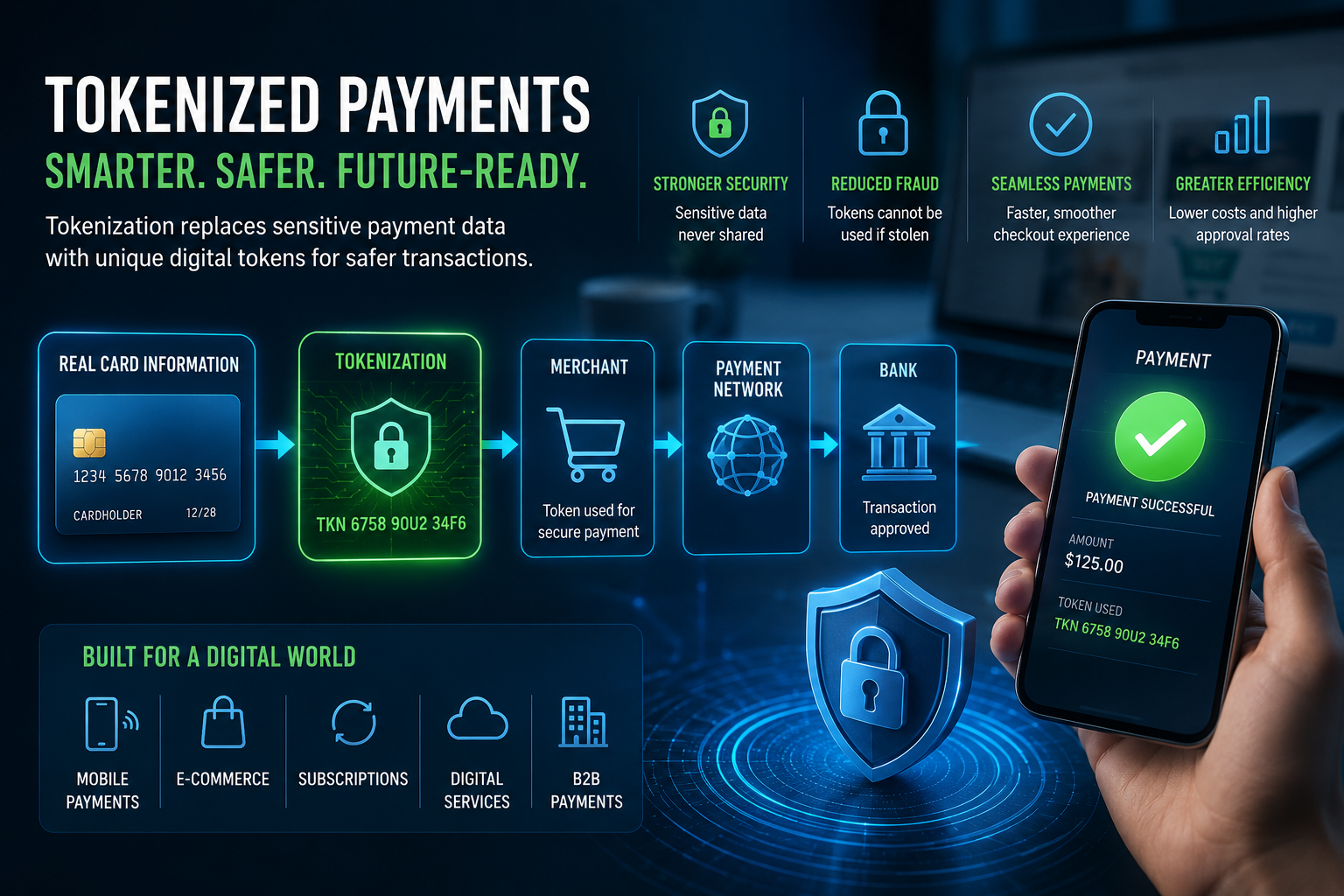
Tokenization replaces sensitive payment information, such as card numbers, with a unique digital token. This token has no meaningful value if intercepted by criminals, making it significantly safer than transmitting actual payment credentials.
When a transaction occurs, the token is used instead of the original payment data. The real information remains securely stored in protected systems while merchants process payments using the temporary token.
Why Security Is Driving Adoption
Data breaches remain a major concern for both businesses and consumers. Every year, millions of payment records are targeted by cybercriminals.
Tokenization helps reduce this risk because merchants no longer need to store complete card details. Even if transaction data is compromised, the token itself cannot be used to make unauthorized purchases elsewhere.
This added layer of protection is one of the main reasons financial institutions are investing heavily in tokenized payment infrastructure.
Mobile Payments Are Accelerating the Trend
Many consumers already use tokenized payments without realizing it.
Popular mobile wallets rely on tokenization to secure transactions made through smartphones, smartwatches, and other connected devices. Instead of sharing card numbers during every purchase, these systems generate unique payment tokens for each transaction.
As mobile payment adoption continues growing, tokenization is becoming a standard part of everyday financial activity.
Benefits for Businesses
Beyond security, tokenized payments offer several operational advantages.
Businesses can reduce fraud-related costs, improve customer trust, and simplify compliance with payment security requirements. Tokenization can also help increase transaction approval rates by reducing errors associated with outdated card information.
For subscription services and digital commerce platforms, tokenized payment systems create a smoother user experience while maintaining strong security standards.
Expanding Beyond Traditional Payments
Tokenization is no longer limited to debit and credit card transactions.
Financial companies are exploring tokenized digital assets, identity verification systems, loyalty programs, and business-to-business payment solutions. As the technology matures, tokenization is expected to play a larger role across multiple areas of financial services.
Many industry experts believe tokenization could become a foundational component of future payment ecosystems.
Conclusion
While cryptocurrency helped introduce many people to the concept of tokenization, the technology is now finding practical applications throughout the broader financial industry. As businesses prioritize security, efficiency, and customer trust, tokenized payments are gaining attention far beyond the world of digital currencies. In 2026, tokenization is becoming an important part of how modern transactions are processed and protected.