
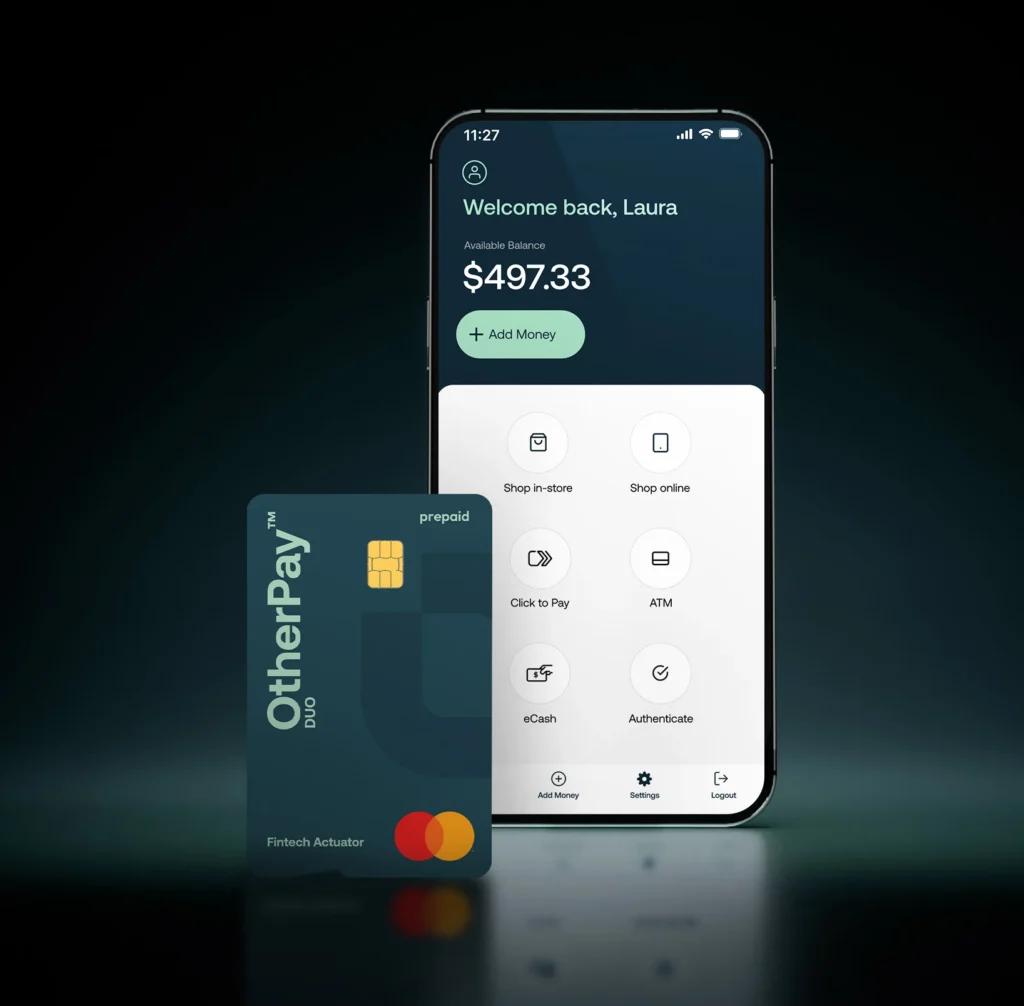
Prepaid cards used to be simple products with one core function: load money, spend it and stop when the balance reached zero. That basic model still exists, but the surrounding experience is changing quickly. Modern prepaid products increasingly include app-based controls, transaction histories, instant notifications and better visibility into spending.
That shift matters because prepaid cards are no longer used only as occasional gift cards. They are also used for budgeting, online shopping, travel, family spending and everyday purchases. As usage broadens, consumers expect the same kind of control they already receive from digital banking apps. The result is a new generation of prepaid payment tools that are becoming easier to manage without losing the simplicity that made them attractive in the first place.
Prepaid cards are moving beyond simple balance checking
One of the biggest changes is the amount of information users can access. Consumers increasingly expect to see recent transactions, current balances and payment activity without calling customer support or waiting for a statement.
In the United States, prepaid-account rules already reflect the importance of access to account information. Financial institutions can provide electronic transaction histories covering at least 12 months as part of the alternatives to traditional periodic statements.
For the user, that creates a much more transparent payment experience. Instead of treating a prepaid card as a disposable piece of plastic, it can function more like a lightweight financial account.
| Traditional prepaid experience | Smarter prepaid experience |
|---|---|
| Balance checked manually | Balance visible digitally |
| Limited transaction detail | Searchable transaction history |
| Few spending controls | App-based management tools |
| Problems noticed later | Faster alerts and notifications |
| Primarily physical card use | Physical and digital access |
Real-time alerts are becoming a core feature
Transaction alerts are especially useful for prepaid products because balances are usually limited. A small unexpected purchase can affect the remaining funds much more noticeably than it would on a larger bank account.
Real-time notifications can help users spot unusual activity, confirm successful purchases and keep track of how quickly a balance is being spent. Consumer expectations are already moving strongly in this direction across digital payments. A 2026 Visa survey found that 70% of respondents in Ukraine said they would feel safer receiving real-time alerts about suspicious transactions from a bank or payment app. The same principle translates naturally to prepaid accounts. A card that communicates immediately after activity feels easier to monitor and more useful for controlled spending.
Typical smart alert features may include:
- purchase confirmations;
- low-balance warnings;
- declined transaction alerts;
- suspicious activity notifications;
- online purchase notifications;
- reload confirmations.
Card controls give users more direct control
Another important development is the ability to manage how a card can be used. Depending on the issuer or platform, users may be able to temporarily freeze a card, manage online transactions or respond faster when a card is lost.
These features reduce dependence on customer support for basic account actions. They also make prepaid cards better suited to specific spending purposes. Someone using a prepaid card only for online purchases, for example, can potentially manage it differently from a card used regularly in physical stores. This creates a more controlled payment environment without turning the product into a full traditional bank account.
Digital transaction histories improve budgeting
Prepaid cards already provide a natural spending limit because users cannot normally spend more than the loaded balance. Digital transaction histories add another layer of usefulness by showing where that balance actually went.
Instead of remembering individual purchases, users can review spending patterns and identify recurring expenses. This can be especially useful when the same prepaid account is used for groceries, entertainment, online services or household expenses.
Access to balances and transaction histories is also a recognised part of modern prepaid account management. The Consumer Financial Protection Bureau maintains guidance specifically covering issues such as checking prepaid card balances and understanding consumer rights associated with prepaid accounts.
Smarter prepaid cards can reduce payment uncertainty
One common problem with prepaid cards is uncertainty at checkout. Users may know roughly how much money remains but not the exact available balance after pending transactions or recent purchases.
Better interfaces reduce that uncertainty. When balance information updates quickly and recent transactions are easy to review, users are less likely to attempt purchases that exceed available funds. This matters particularly for online payments, where a declined transaction can interrupt a purchase completely.
A more informative prepaid interface can help users understand:
- how much money is currently available;
- which transactions have already completed;
- whether any payments were declined;
- when funds were reloaded;
- which purchases caused a major balance change.
Security is becoming more visible to the user
Payment security has always existed behind the scenes, but modern payment products increasingly make security tools visible. Instead of relying entirely on invisible fraud systems, users can receive alerts, review activity and react when something looks unfamiliar. Some payment ecosystems also increasingly use stronger authentication methods when risk is detected.
This broader trend is visible across digital payments, where financial institutions and payment providers are being pushed toward more proactive security experiences rather than relying only on after-the-fact dispute processes. For prepaid card users, visible security tools are particularly valuable because the product is often used specifically to control exposure or separate spending from a primary bank account.
Digital and physical prepaid cards are starting to overlap
The traditional distinction between a plastic prepaid card and a digital payment account is becoming less important. Consumers increasingly expect the same prepaid balance to be manageable through a phone, website or digital wallet. This creates a more flexible product that can work across different purchase situations without changing the underlying prepaid model. The physical card still matters for in-store spending, but the digital layer increasingly determines how convenient the product feels.
Key features shaping smarter prepaid products
| Feature | Main benefit |
|---|---|
| Instant transaction alerts | Faster awareness of spending |
| Digital balance access | Better purchase planning |
| Transaction history | Easier budgeting |
| Card freezing | Faster response to lost cards |
| Digital wallet support | More flexible payment access |
| Security notifications | Better visibility into unusual activity |
Simplicity still matters
Adding more features does not automatically make a prepaid product better. One of the reasons prepaid cards remain useful is their simplicity. Users generally do not want a basic spending tool to become overloaded with complicated financial dashboards.
The strongest prepaid products are therefore likely to combine additional control with a simple interface. Important information should be easy to find, while optional tools should stay out of the way when they are not needed. That balance separates useful financial technology from unnecessary complexity.
What the next stage may look like
Prepaid cards are gradually becoming more connected to the wider digital payment ecosystem. Future products are likely to place even greater emphasis on immediate transaction visibility, stronger account controls and smoother digital access.
The prepaid model itself is unlikely to disappear because the underlying idea remains useful: spending only from a predefined pool of money. What is changing is everything around that balance.
A modern prepaid card can now provide much more than a payment number and an available balance. It can become a compact money-management tool that gives users clearer information, faster feedback and more direct control over everyday spending.