
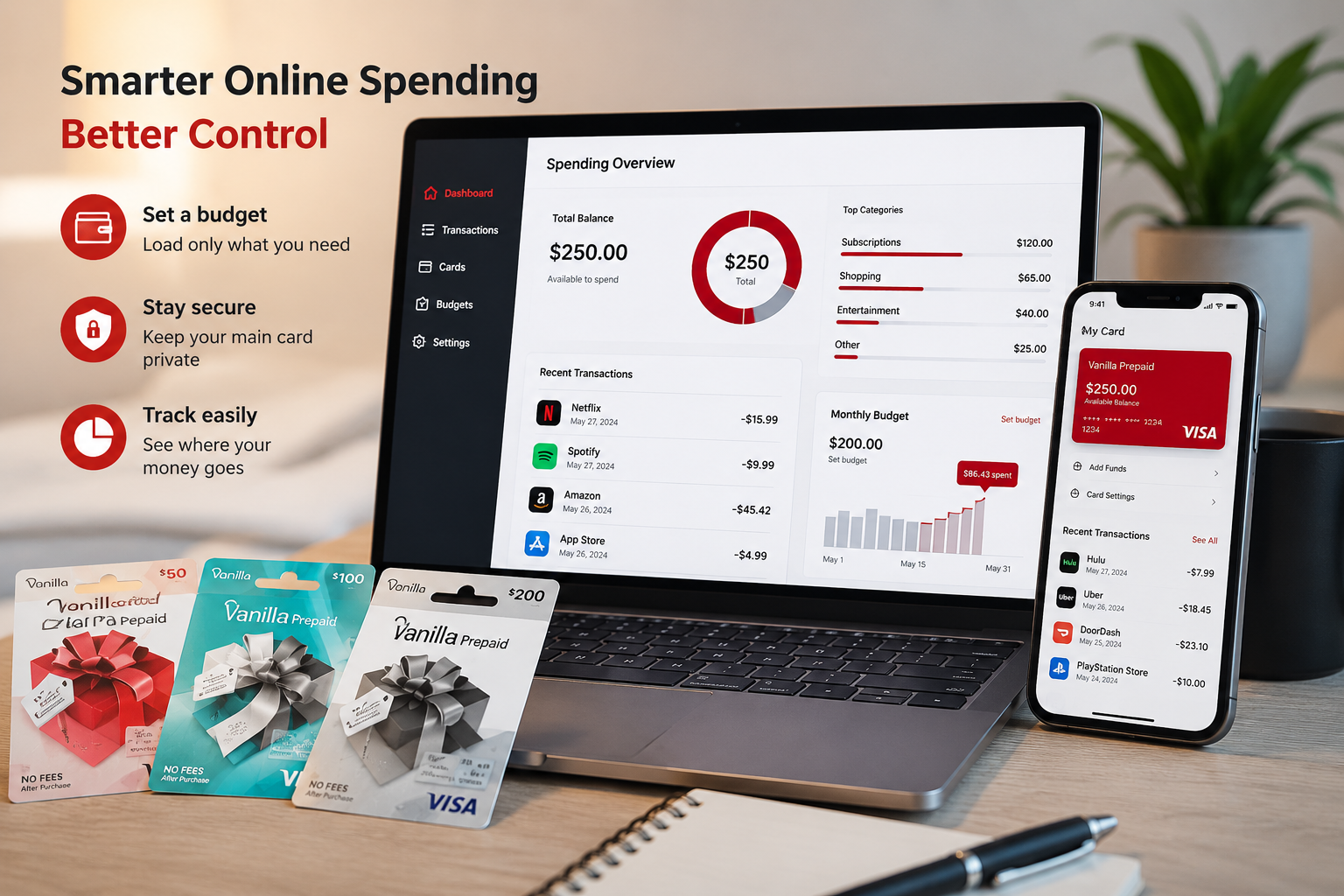
Online spending has become harder to track. A single month can include streaming renewals, app payments, gaming purchases, delivery services, online shopping, cloud storage, and trial subscriptions that quietly turn into recurring charges.
Because of this, many consumers are changing how they manage digital payments. Instead of using one main bank card everywhere, they are separating online spending into smaller, controlled balances.
This shift is not only about security. It is also about clarity.
One Main Card No Longer Feels Practical
For years, most people used the same debit or credit card across nearly every online service. That approach was simple, but it also created problems.
When dozens of merchants charge the same card, it becomes harder to understand where money is going. Small payments blend together. Forgotten subscriptions stay active. Unexpected renewals become easy to miss.
Consumers are now realizing that convenience without control can quickly become expensive.
Smaller Payment Balances Create Better Visibility
Using separate prepaid balances or controlled payment methods helps users see spending more clearly. Instead of mixing every online purchase with rent, bills, groceries, and savings, people can isolate digital spending into one dedicated budget.
This makes it easier to decide how much money should be available for entertainment, shopping, subscriptions, or casual online purchases.
- clearer subscription tracking
- less risk of overspending
- better separation between daily money and online purchases
- easier control over entertainment budgets
- fewer surprises from automatic renewals
Subscription Overload Changed User Behavior
Subscription culture is one of the biggest reasons consumers are rethinking payments. Many services are inexpensive individually, but together they can become a major monthly expense.
A few dollars here and there may not seem significant until users review the full list of recurring charges.
Smaller payment ecosystems help create a natural limit. When the balance runs low, users are forced to notice what they are paying for.
Online Shoppers Want Less Financial Exposure
Payment separation also reduces risk. Many consumers feel uncomfortable entering their primary bank card on every online store, especially when shopping from unfamiliar websites.
Controlled payment methods create distance between the main account and the transaction. Even if something goes wrong, the exposure is limited.
| Old Payment Habit | New Payment Habit |
|---|---|
| One card for everything | Separate balances for online spending |
| Harder to track subscriptions | Clearer recurring payment control |
| Main account exposed everywhere | Lower-risk payment separation |
| Reactive budgeting | Planned digital spending limits |
Budgeting Is Becoming More Practical
Many people do not want complicated finance systems. They simply want a practical way to stop online payments from becoming invisible.
Splitting digital spending into smaller budgets gives users a simple structure without requiring advanced financial planning. It turns online payments into something easier to see, manage, and adjust.
Control Matters More Than Rewards
Reward points and cashback can still be useful, but many consumers now value direct control more than small incentives.
A payment method that helps prevent overspending may feel more valuable than a loyalty program that gives back a small percentage later.
This is especially true for users managing multiple online services at once.
Conclusion
Consumers are splitting online spending into smaller budgets because digital payments have become too frequent, too scattered, and too easy to overlook.
By separating online purchases from main financial accounts, users gain more clarity, better control, and a safer way to manage modern digital spending.