
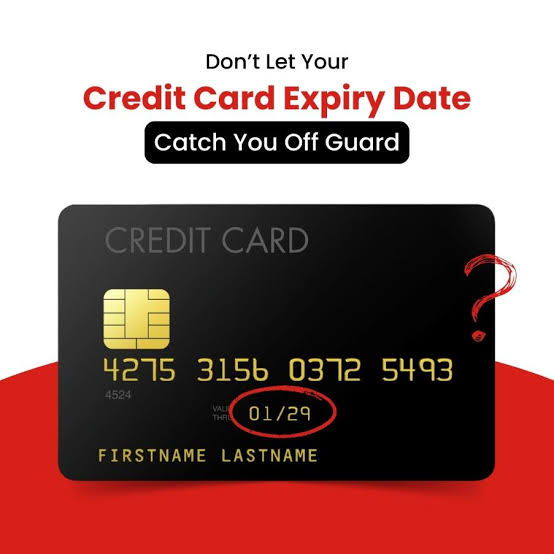
Finding an expiration date printed on a prepaid card can raise an understandable question: does the money loaded onto the card disappear when that date arrives? The answer depends on the card program, its issuing institution and the rules that apply in the market where the card was issued. In many cases, the expiration date relates to the physical card and its payment credentials rather than the underlying funds, but cardholders should never assume that every prepaid product follows identical rules. Understanding this distinction can help people avoid unnecessary panic, plan their spending more effectively and take the right steps before an older card becomes unusable.
For Canadian consumers, the distinction is particularly relevant because federal rules for prepaid products issued by federally regulated financial institutions address card expiration and the expiration of loaded funds separately. The Financial Consumer Agency of Canada explains that these institutions generally cannot set an expiry date on funds loaded onto prepaid cards, although the physical card itself may expire and fees may apply when transferring funds or obtaining a replacement. OneVanilla also states that its prepaid funds do not expire. Nevertheless, checking the terms of the specific card remains important because product features and legal protections can differ between issuers and jurisdictions.
What Does a Prepaid Card Expiration Date Actually Mean?
A prepaid card allows its holder to spend money that has already been loaded onto it, rather than borrowing against a credit limit. Like other payment cards, it contains information and credentials that allow transactions to be processed through a payment network. Over time, a card may need to be replaced because its expiration date has passed, its physical condition has deteriorated or the issuer has updated its payment technology. An expired card may no longer be accepted at a checkout, even if some money remains associated with the prepaid account.
The key distinction is between the card and its balance. The card is the payment instrument used to access the funds, while the balance represents the remaining value available under the prepaid program. When a card expires, its credentials may no longer be valid for new transactions, but that does not automatically establish that the remaining money has vanished. Depending on the program, the issuer may provide a replacement card, explain how the balance can be accessed or outline another procedure for dealing with unused funds.
Cardholders should therefore avoid treating the printed expiration date as a deadline for spending every remaining dollar. Instead, they should review the cardholder agreement, identify the issuer’s replacement policy and determine whether any restrictions or fees could affect access to the balance.
Card Expiration vs. Fund Expiration: The Important Differences
Although the terms sound similar, they describe different things. Card expiration concerns the validity of the payment instrument, whereas fund expiration concerns whether the stored value itself can cease to be available after a specified period. Confusing these concepts can lead consumers to discard cards prematurely, overlook replacement instructions or assume that a balance has been lost when further action may still be possible.
| Term | What it means | What cardholders should check |
|---|---|---|
| Card expiration | The physical or digital payment credentials reach their stated end date | Whether the card can still be used and how to obtain a replacement |
| Fund expiration | A stated deadline after which the loaded value may no longer be available | The card agreement and applicable consumer-protection rules |
| Replacement procedure | The process for continuing to access funds after a card expires | Eligibility, identity requirements and possible fees |
| Maintenance fee | A charge that may apply under the terms of certain prepaid products | When the fee begins and how it affects the balance |
| Balance inquiry | A way to establish how much money remains available | The official website or customer-support channel |
The legal distinction matters because the rules governing one type of prepaid product may not apply to another. In Canada, federally regulated issuers face specific requirements concerning prepaid-card disclosures and the expiration of loaded funds. Promotional products, cards issued by different types of providers and products sold in other countries may be governed by different conditions, so consumers should confirm which rules apply to their particular card.
What Canadian Cardholders Should Know About Unused Funds
Canada’s Financial Consumer Agency provides guidance explaining that federally regulated financial institutions cannot generally impose an expiration date on funds loaded onto prepaid cards they issue. The card itself may have an expiration date, and there may be a fee to transfer the remaining balance and issue a replacement. Promotional prepaid products can be treated differently, so it is important to establish whether a card falls within the applicable rules rather than assuming that every prepaid product receives identical protection.
OneVanilla’s published information states that its prepaid funds never expire, which is a useful distinction for customers who keep a card for occasional purchases or receive one as a gift. However, the continued availability of funds does not necessarily mean that an expired physical card can still be used at a merchant. Cardholders should follow the issuer’s official instructions if the card reaches its expiration date, becomes damaged or can no longer complete transactions.
The broader prepaid market is also subject to ongoing regulatory attention. A 2026 industry update from Javelin Strategy & Research identifies consumer protection, fraud prevention and cash-out rules as active areas of regulatory development in the United States. These developments illustrate why cardholders should pay attention to current product terms and local regulations, while recognising that US state requirements do not automatically apply to Canadian prepaid cards.
How to Manage a Prepaid Card Before It Expires
A little preparation can make the transition from an older card to a replacement much easier, especially when the card still contains money or is used for occasional online purchases. The most useful step is to establish the available balance and confirm the issuer’s instructions before the expiration date passes, rather than waiting until a transaction is declined.
Use this checklist to keep the process straightforward:
- Check the remaining balance. Use the issuer’s official balance-checking service to establish how much money remains on the card.
- Review the cardholder agreement. Look for information about expiration, replacement eligibility, transfer procedures and applicable fees.
- Contact the issuer when necessary. Ask what happens to the remaining balance and which steps are required to access it after expiration.
- Review saved payment details. If the card is linked to an online merchant or eligible digital wallet, determine whether those details need to be updated.
- Keep relevant records. Retain the card and any purchase documentation until the balance has been resolved and you are confident that no further action is needed.
These precautions are especially useful for cards received as gifts or kept for occasional spending, because the owner may not notice the expiration date until a purchase fails. Keeping track of the balance and understanding the replacement process can reduce confusion without encouraging unnecessary spending simply to empty the card.
Can You Still Use a Prepaid Card After Its Expiration Date?
In most cases, cardholders should not expect an expired payment card to work normally at a physical checkout or during an online transaction. Merchants and payment systems may reject transactions because the card credentials are no longer valid, even when the remaining funds are still protected under the applicable rules. The appropriate next step is to contact the issuer and determine how the balance can be accessed, rather than repeatedly attempting transactions with the expired card.
It is also important to distinguish a failed transaction from a lost balance. A declined purchase may result from expiration, insufficient funds, merchant restrictions or another processing issue. Checking the available balance and reviewing the transaction information can help identify the problem, while the issuer can explain the options available under the card program. Never provide the card number, PIN or other sensitive information to an unsolicited caller who claims they can restore an expired balance.
Why Understanding Expiration Rules Helps You Get More From a Prepaid Card
Prepaid cards are designed to make spending more flexible, whether they are used for everyday purchases, online shopping or gifts. Understanding the difference between an expiration date and the remaining balance helps cardholders manage that flexibility without making assumptions about how every product works. It also encourages better habits: checking balances periodically, reading product disclosures and using official support channels when a card needs attention.
For OneVanilla users, the practical takeaway is simple: an expiration date should prompt a review of the card’s status and replacement instructions, not an immediate assumption that unused money has disappeared. Confirm the terms that apply to your particular card, check the balance through the official service and contact the issuer if you need help accessing remaining funds. With those steps in place, cardholders can avoid unnecessary confusion and make more informed decisions about their prepaid money.