
A prepaid card can show enough money for a purchase and still leave the cardholder with less available balance than expected afterward. The reason is not always an additional charge. In some transactions, a merchant may temporarily reserve part of the card’s available funds before the final amount is known.
These temporary authorizations, often called authorization holds, are common across card payments. They become particularly noticeable with prepaid cards because spending is limited to the money already available on the card. If part of that balance is reserved, those funds may not be available for another purchase until the authorization is completed, adjusted or released.
Understanding how holds work can therefore be just as important as checking the price of the original purchase, especially when a prepaid card is being used for travel, fuel, accommodation or other transactions where the final amount may differ from the initial authorization.
An authorization is not always the final transaction amount
Many card purchases are straightforward. A customer buys an item for $40, the merchant requests authorization for $40 and the completed transaction eventually reflects that amount. In other situations, however, the merchant does not know the exact final cost when the card is first presented.
A hotel may need to account for additional charges during a stay. A fuel dispenser does not know how many litres the customer will pump before the transaction begins. A service where gratuity can be added may initially process an amount that later changes.
The payment process can therefore involve an estimated or temporary amount before the transaction is finalized.
| Stage | What may happen |
|---|---|
| Card presented | Merchant requests authorization |
| Authorization approved | Part of the available balance is reserved |
| Purchase or service completed | Final transaction amount becomes known |
| Transaction settled | Correct amount is processed |
| Excess authorization | Remaining reserved funds can be released |
From the cardholder’s perspective, the important point is that available balance and completed spending are not always the same thing at every moment.
Prepaid cards make temporary holds easier to notice
An authorization hold matters with any payment card, but its effect can feel more immediate on a prepaid product. Suppose a prepaid card has a $300 available balance. If a merchant temporarily authorizes $150, the cardholder may effectively have only $150 available for other transactions while that authorization remains active. This can happen even if the eventual purchase is considerably lower than $150.
Someone relying on that same card for several purchases may therefore encounter a declined transaction despite believing that enough money should remain. This is why checking only the expected final price can sometimes be misleading. When a merchant category commonly uses preauthorization, the cardholder may need additional available funds beyond the amount they ultimately expect to spend.
Hotels are a common example
Hotel payments illustrate why authorization holds exist. At check-in, the final cost of a stay may not yet be completely settled. The guest could extend the stay or incur additional charges depending on the property and booking arrangement. A hotel may therefore request authorization for an amount that accounts for more than the room rate visible at the beginning of the stay.
For a prepaid-card user, this can temporarily tie up a meaningful portion of the balance. If the card is also intended to cover meals, transport and activities during the trip, that reduced availability can affect the rest of the budget. The money has not necessarily been permanently spent, but it may not be available for immediate use. Before relying on a prepaid card at a hotel, it can be useful to ask the property how card authorizations are handled and whether additional funds may be reserved.
Pay-at-the-pump fuel purchases can work differently from paying inside
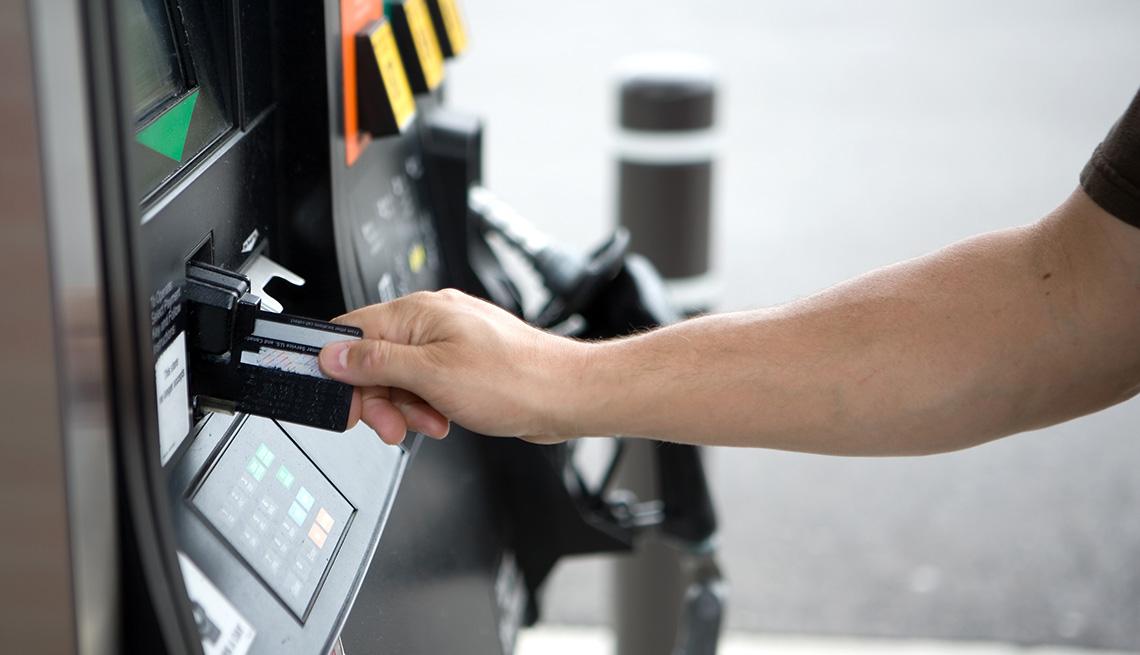
Fuel stations provide another situation where the final purchase amount is unknown when authorization begins. When a card is used directly at an automated pump, the system needs to approve the transaction before fuel is dispensed. Because it does not yet know whether the customer will buy a small amount or fill the entire tank, a temporary authorization may be requested. The actual fuel purchase can be much lower than the amount initially reserved.
For someone using a prepaid card with a limited remaining balance, this distinction matters. The card might have enough funds for the fuel they want to purchase but not enough to satisfy a larger temporary authorization. Paying a specific amount with the cashier, where available, can create a different transaction flow because the purchase amount is established before fueling begins.
Car rentals can require more available funds than the advertised price
Rental transactions can create an even larger gap between expected cost and required card availability. A customer may see a rental advertised at a particular daily or weekly rate, but the payment requirements can include additional authorization for potential charges. The company may also have specific rules about which card types it accepts for deposits or security purposes.
That means having enough money to cover the quoted rental price does not automatically mean a prepaid card will work for the transaction. Before making plans around a prepaid card, users should check the rental company’s current payment policy directly. This is especially important because acceptance rules and deposit requirements can vary by location, transaction type and provider. The lesson extends beyond car rentals: card acceptance and sufficient balance are separate questions.
Restaurants and gratuities can create another type of adjustment
Restaurant payments can involve a different authorization pattern because the amount presented before a tip is added may not be the final transaction amount.
Depending on how the merchant processes payments, the authorization and final settlement can differ. This can make the balance temporarily appear different from what the cardholder expects after looking only at the meal total.
For prepaid users operating with a small remaining balance, leaving additional room on the card can help accommodate legitimate adjustments. The exact processing method varies, so users should avoid assuming that every restaurant, payment terminal or card program handles gratuities identically.
A hold should not be confused with being charged twice
Temporary authorizations can be confusing when transaction history shows both pending and completed activity. A cardholder may see an initial authorization and later see the finalized purchase. At first glance, it can look as though the merchant charged the card twice. The distinction usually depends on transaction status.
A pending authorization represents funds reserved while the payment is being processed. A posted or completed transaction represents the finalized charge. When settlement is completed normally, the temporary authorization should no longer remain as a separate permanent deduction.
This is why transaction status matters when reviewing card activity. Adding every visible amount together without distinguishing pending from completed transactions can produce the wrong impression about how much was actually spent.
Available balance can tell a different story from transaction history
Consider a simplified example involving a prepaid card with $250 available. A merchant requests a $100 temporary authorization. The final purchase eventually comes to $72. During processing, the cardholder may temporarily see an available balance influenced by the original authorization rather than only the eventual $72 purchase.
Once the transaction is finalized and any excess authorization is released, the numbers should reflect the completed amount.
| Item | Example amount |
|---|---|
| Starting available balance | $250 |
| Temporary authorization | $100 |
| Final purchase | $72 |
| Difference between authorization and purchase | $28 |
| Final balance after completed $72 purchase | $178 |
This example is deliberately simplified because processing and display can vary. Its purpose is to show why the amount temporarily unavailable can differ from the amount ultimately spent.
Released funds may not always appear immediately
One of the frustrating aspects of authorization holds is that the merchant can finish the transaction before the cardholder sees all unused funds become available again.
Payment processing involves several systems, and the timing of authorization releases can vary. The merchant type, card program and way the transaction is finalized can all influence what the user sees.
This creates an important budgeting consideration: money expected to return from an authorization should not necessarily be treated as immediately spendable. If the card has only a small remaining balance, relying on a pending release to fund another time-sensitive purchase can create problems.
Holds are different from refunds
Authorization releases and refunds can produce a similar result — money becomes available again — but they represent different processes. A hold involves money that was temporarily reserved before or during payment processing. A refund normally occurs after a transaction has already been completed and the merchant returns some or all of the purchase amount.
The distinction is useful when deciding what information to look for.
| Situation | Authorization hold | Refund |
|---|---|---|
| Final purchase completed first | Not necessarily | Yes |
| Funds temporarily reserved | Yes | No |
| Merchant returns completed payment | No | Yes |
| Transaction may appear pending | Commonly | Different processing stage |
| User ultimately regains funds | Possible release of unused amount | Refund amount returned |
Recognizing which process is happening can make it easier to understand transaction history and decide whether action is actually required.
Repeated authorization attempts can complicate the balance
Another potential issue occurs when a transaction is attempted several times. If the first attempt appears unsuccessful, a user may immediately try again. Depending on how the payment was processed, earlier authorization activity may still temporarily affect available funds even though the purchase was not completed in the expected way.
Repeatedly submitting the same transaction without checking card activity can therefore make the situation more confusing. When a payment behaves unexpectedly, reviewing the available balance and transaction status before trying multiple additional times can provide useful context. This is particularly relevant when the purchase amount represents a large percentage of the total prepaid balance.
A declined purchase does not always mean the expected price is too high
Imagine a prepaid card with $80 remaining and a customer trying to make a purchase expected to cost $60. It seems logical that the transaction should be approved. However, if the merchant’s payment process requires an authorization greater than the final expected purchase amount, $80 may not be sufficient at the authorization stage.
That creates an important distinction between having enough for the product or service and having enough for the way the merchant initially processes the card. Users who encounter this situation should avoid guessing at the authorization amount. The better approach is to check the merchant’s payment policy and the terms associated with the prepaid card being used.
Small prepaid balances require more planning around holds
Authorization holds are easier to absorb when a card has a large unused balance. They become much more important as available funds decrease. A traveler with $500 remaining may be able to tolerate a temporary $100 reservation without changing plans. Someone with $120 remaining may find the same authorization blocks most of the money they intended to use elsewhere.
Before using a prepaid card in situations where holds may occur, it can help to consider:
- the current available balance rather than the original loaded amount;
- other purchases that need to be made before the hold is released;
- whether the merchant expects a deposit or preauthorization;
- whether another accepted payment method is available;
- whether a specific payment approach can reduce uncertainty about the authorization amount.
This is less about avoiding authorization holds entirely and more about preventing temporary reservations from disrupting the rest of a spending plan.
Pending transactions deserve attention before large purchases
Checking a prepaid balance immediately before an important purchase is useful, but the balance alone may not explain everything happening on the card. Recent pending activity can provide additional context. A transaction that has not fully settled may still influence the amount available for new spending.
This is especially relevant when several transactions occur close together, such as during a trip. Hotels, restaurants, transportation and fuel purchases can all happen within a short period, and some may still be moving through payment processing while the next purchase is attempted. Reviewing recent card activity can make the available balance easier to interpret.
Merchant policies should be checked before important transactions
Prepaid cards are convenient because they allow spending from a predetermined balance, but they do not remove merchant-specific payment rules. A hotel can have its own deposit requirements. A rental company can have restrictions on prepaid cards. A fuel station can process automated pumps differently from cashier payments. Other merchants may use authorization practices appropriate to their services.
For routine purchases, users may rarely need to think about these differences. For transactions involving travel reservations, deposits or essential expenses, checking ahead can prevent unpleasant surprises.
Useful questions include whether prepaid cards are accepted, whether a temporary authorization is used, whether additional funds are required and how the final payment is processed.
Better balance awareness makes prepaid cards easier to manage
Prepaid cards are often valued because the spending limit appears simple: load or receive a fixed amount and spend within that balance. Authorization holds show why real-world card payments can occasionally be more complicated.
Part of the balance can be temporarily unavailable without representing the final cost of a purchase. The amount reserved can differ from the amount eventually charged, and the unused portion may take time to become available again depending on how the transaction is processed.
For users, the practical approach is to distinguish available balance, pending authorization and completed transaction rather than treating every number in card activity as the same type of charge. This becomes particularly important at hotels, fuel stations, rentals and other merchants where the final amount may not be known when the card is first presented. Understanding that distinction makes it easier to plan purchases, interpret pending activity and avoid relying on funds that may still be temporarily reserved.