
Online platforms are constantly looking for ways to make digital experiences faster, simpler, and more convenient. One area that has changed significantly is the payment process. Instead of redirecting users to external checkout pages or separate payment providers, many platforms are now integrating payments directly into their own systems.
This approach, known as embedded payments, allows users to complete transactions without leaving the platform they are already using. From online marketplaces and mobile applications to digital services and subscription platforms, embedded payment solutions are becoming an important part of modern digital experiences.
What Are Embedded Payments?
Embedded payments are payment features built directly into an online platform, allowing customers to pay within the same environment where they browse, purchase, or use services.
Traditional payment processes often require users to move between different websites or applications before completing a transaction. Embedded payments reduce these extra steps by creating a smoother experience inside the platform itself.
Examples of embedded payment use include:
- Online marketplaces allowing buyers to pay without leaving the platform
- Mobile apps offering built-in payment options
- Subscription services managing automatic billing internally
- Digital platforms combining purchasing and account management in one place
The main goal is to make payments feel like a natural part of the overall service rather than a separate action.
Why Businesses Are Integrating Embedded Payment Solutions
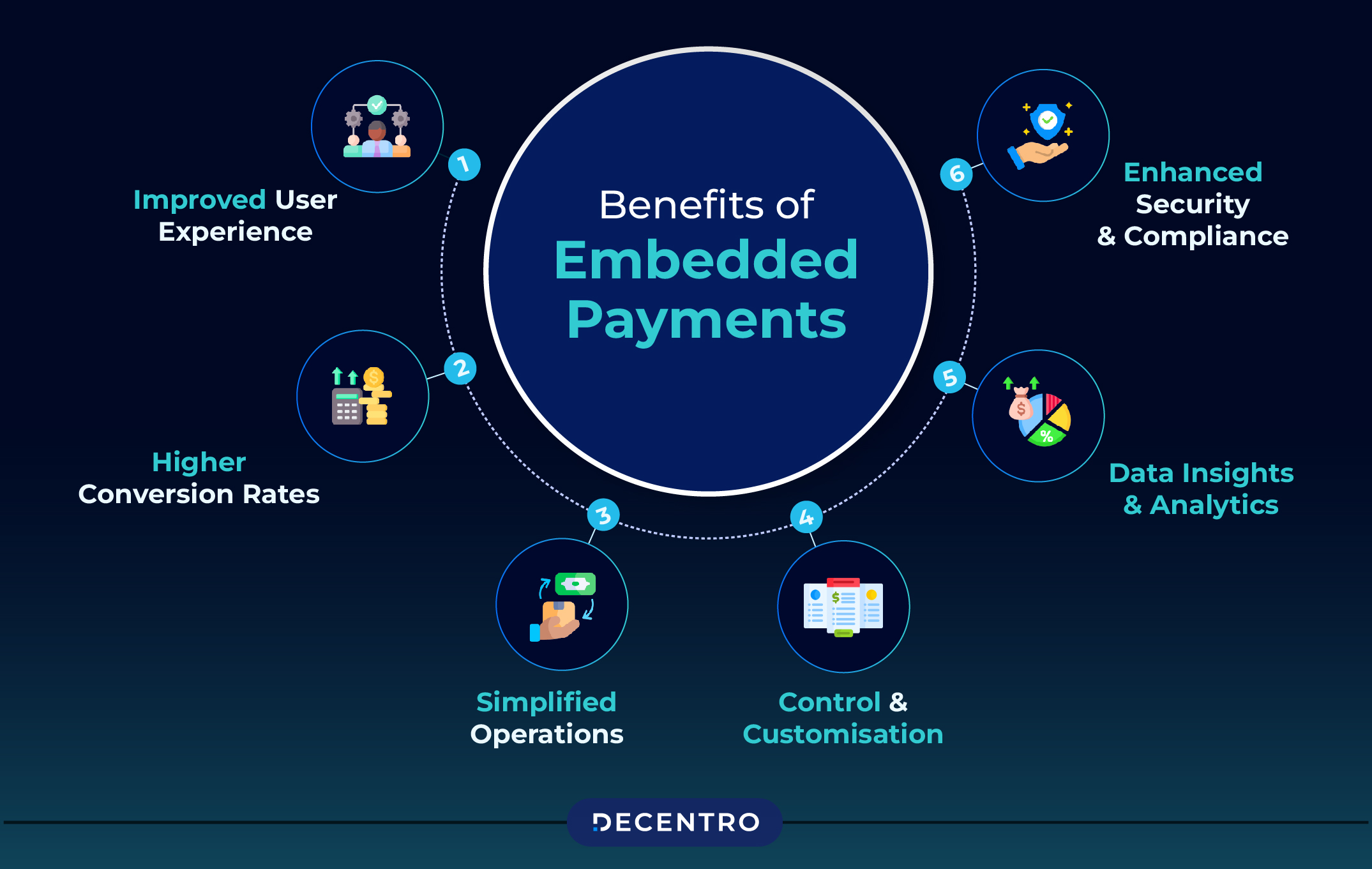
Businesses are adopting embedded payments because customers increasingly expect fast and simple digital interactions. Complicated checkout processes can create frustration and may cause users to abandon purchases before completing them.
By integrating payment functionality directly into their platforms, companies can create more efficient customer journeys. Users can complete transactions with fewer steps, while businesses gain better control over the payment experience.
Key benefits for businesses include:
- Faster checkout processes
- Improved customer retention
- Better control over payment data and workflows
- More consistent user experiences
For digital businesses, payments are no longer just a final step in a transaction. They are becoming part of the overall product experience.
How Embedded Payments Improve User Experiences
Convenience plays a major role in digital services. Users want platforms that allow them to complete tasks quickly without unnecessary redirects or additional verification steps.
Embedded payments help remove friction by keeping the entire process within one platform. A customer can discover a product, make a purchase, and manage their payment details without switching between different services.
This creates several advantages:
- A more seamless buying process
- Faster transaction completion
- Easier repeat purchases
- Improved mobile experiences
Mobile users especially benefit from embedded payments because smaller screens make complicated checkout flows more difficult to navigate. A simple integrated payment option can make digital services easier to use.
The Role of Security and Payment Technology
As embedded payments become more common, security remains a key priority. Businesses need to ensure that integrated payment systems protect user information while maintaining a convenient experience.
Modern payment solutions use technologies such as encryption, authentication systems, and fraud monitoring tools to help secure transactions. Many platforms also work with specialized payment providers to manage compliance and financial security requirements.
The combination of convenience and protection is helping embedded payments gain wider adoption across different industries. As payment technology continues developing, businesses are focusing on solutions that balance speed, simplicity, and trust.
The Future of Embedded Payments Across Digital Platforms
Embedded payments are expected to become an increasingly common feature as more businesses build digital-first services. Customers are becoming accustomed to smooth online experiences, and payment processes are an important part of that expectation.
Future platforms may continue expanding integrated payment features by connecting purchases, subscriptions, loyalty programs, and account management into a single ecosystem.
For businesses, embedded payments provide an opportunity to create stronger relationships with customers by making transactions easier and more natural. For users, they offer a faster and more convenient way to complete everyday digital activities.
Conclusion
Embedded payments are changing how online platforms approach transactions by turning payments into a seamless part of the user experience. Instead of treating checkout as a separate process, businesses are integrating it directly into their services.
As digital platforms continue evolving, embedded payments will likely become a standard feature for companies that want to provide faster, simpler, and more convenient online experiences.