
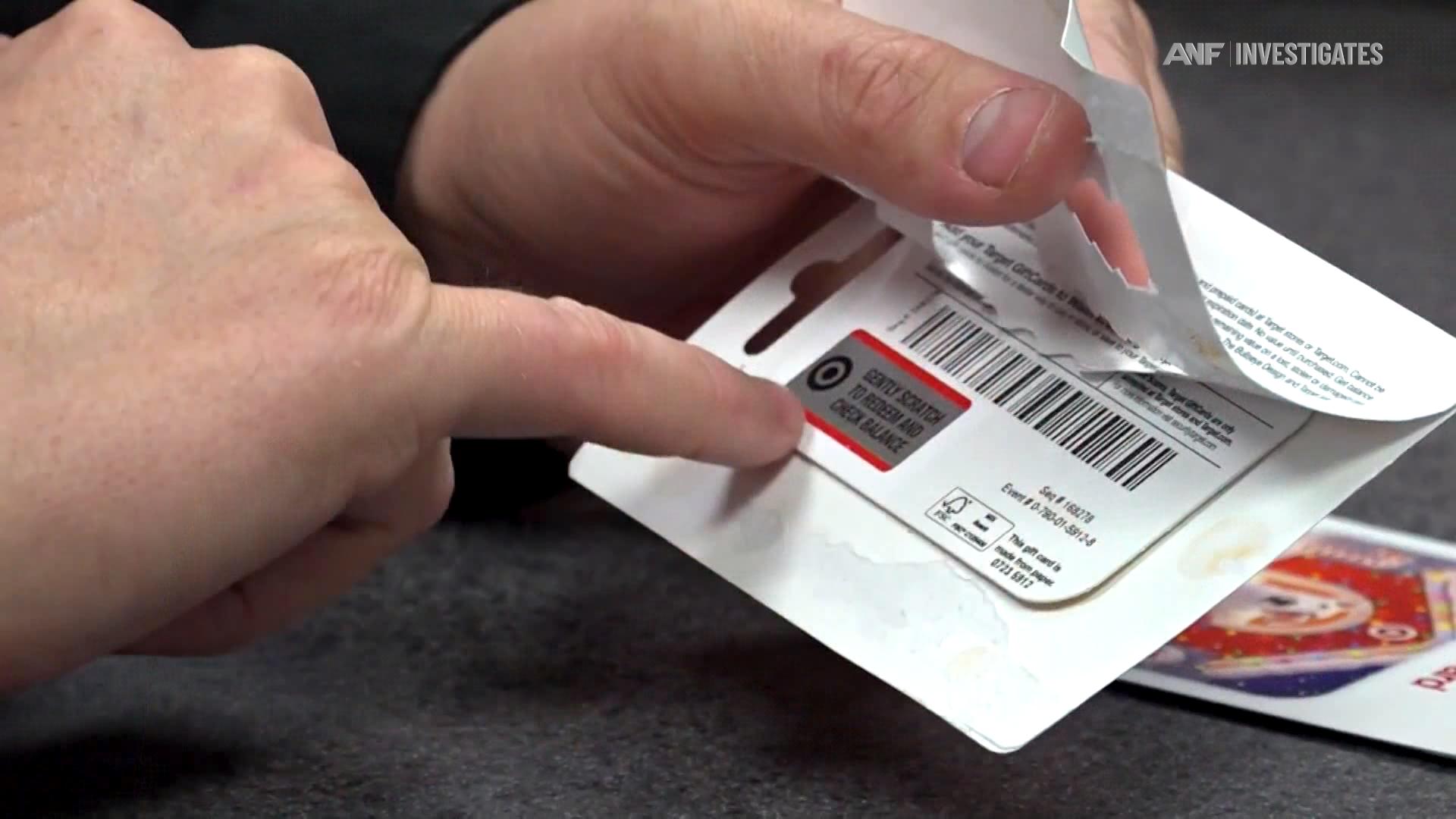
Buying a prepaid card usually takes only a few minutes. You choose the card, select the amount where applicable, pay at the register and expect the balance to be available when the card is used. That simplicity is one of the main reasons prepaid products remain useful for gifts, controlled spending and purchases that do not require a traditional credit card.
However, the physical card and its packaging deserve attention before money is loaded onto it. Prepaid and gift-card tampering has received renewed attention in 2026 as regulators, payment companies and retailers respond to fraud involving cards altered before consumers purchase them. Recent investigations have shown how criminals can interfere with cards displayed in stores, obtain card information and then wait for an unsuspecting customer to activate the balance. The useful response is not to avoid prepaid cards altogether. It is to understand what tampering can look like and make a few checks before paying.
What Is Prepaid Card Tampering?
Prepaid card tampering occurs when someone interferes with a physical card or its packaging before the legitimate customer buys and activates it. The exact technique can vary. In one common scenario, a criminal obtains access to card information hidden inside the packaging, records the necessary details and then makes the package appear unopened again. The altered card is returned to a retail display.
At that point, the card may still have no money on it. The fraudster waits for someone else to purchase and activate the card. Once funds become available, stolen card information may be used to drain the balance before the legitimate purchaser or recipient has a chance to spend it.
An ABC investigation published in August 2026 documented physical cards being opened, compromised and returned to retail displays while criminal operations monitored the stolen card information for activation. That timing explains why tampering can be difficult for shoppers to notice: the fraud can begin before the customer even owns the card.
Inspect the Packaging Before You Pay
The first check takes only a few seconds. Look at the card package before taking it to the register. It should appear consistent with an unopened retail product rather than something that has been opened and resealed.
Possible warning signs include:
- torn or damaged cardboard;
- glue that looks uneven or recently reapplied;
- packaging that does not close normally;
- scratches around areas covering card information;
- stickers placed over existing barcodes;
- exposed PIN or security information;
- sections that appear cut and resealed;
- a card that looks loose inside packaging designed to hold it securely.
One unusual mark does not automatically prove fraud. Retail products can become damaged through normal handling. Several suspicious signs together, however, are a good reason to choose another card and alert store staff.
Pay Particular Attention to Hidden Card Information
Physical prepaid cards are designed so sensitive information is not freely visible on the store shelf. Depending on the product, this can include the card number, PIN, security code or other credentials required to use the balance. If an area intended to conceal those details looks scratched, peeled, lifted or replaced, do not assume the damage is harmless.
A useful rule is simple: information that should still be hidden before purchase should look untouched. The 2026 ABC investigation found examples where customers noticed scratching and other signs of interference after purchasing gift cards. Checking those areas before activation is much easier than trying to determine later when the damage occurred.
Check the Barcode Too
Consumers naturally focus on the front of a prepaid card, but the barcode and activation area are also important. Retailers use activation information to associate the payment at checkout with the correct card. Criminal manipulation can therefore involve labels or barcodes as well as the card credentials themselves.
Before purchase, look for obvious irregularities such as a barcode label sitting on top of another label, unusual edges around a sticker or printing that does not match the rest of the packaging.
You do not need to become a packaging expert. The objective is simply to notice anything that looks added, moved or replaced. If something seems wrong, selecting another card is easier than taking the risk.
A Quick Pre-Purchase Check
A consistent routine can make the inspection easier.
| What to check | Normal appearance | Possible warning sign |
|---|---|---|
| Outer packaging | Sealed and consistent | Torn or resealed areas |
| Security covering | Intact | Scratched or lifted |
| Card details | Properly concealed | Numbers exposed |
| Barcode | Original and flat | Extra sticker or altered label |
| Card position | Secure in package | Loose or repositioned |
| Printed material | Consistent | Mismatched sections |
| Checkout | Normal activation | Unexpected activation issue |
None of these checks requires special equipment. They are simply visual cues that can help identify a product worth avoiding.
Choose Cards From More Secure Displays
Where a card is displayed can also matter. A card hanging near a busy entrance may be accessible to many people throughout the day. Cards stored closer to staffed registers or in areas with greater employee visibility may be more difficult to manipulate unnoticed. That does not mean every card on an open rack is unsafe. Open gift-card displays are common retail practice.
The point is to use context. If you have a choice between an obviously damaged package on an unattended display and an intact product in a more closely monitored location, the latter is the more sensible option. For higher-value purchases, asking an employee whether additional cards are available behind the counter can also be reasonable.
Keep the Activation Receipt
The small receipt produced at checkout can become extremely important if something goes wrong. Do not immediately throw it away. Keep the receipt with the card until you have confirmed that the expected balance is available and the card works normally. If the prepaid card is being given as a gift, keeping a photo or digital copy of the receipt can be useful.
The receipt may help establish:
- where the card was purchased;
- when it was purchased;
- the amount loaded;
- whether activation was completed;
- transaction or reference information connected with the purchase.
These details can make a later support request much easier to investigate. ABC’s 2026 reporting described consumers navigating replacement and refund processes after discovering compromised gift cards, illustrating why purchase records can matter when a dispute begins.
Check the Balance After Activation
Once the card has been legitimately purchased and activated, verify the balance through the official method provided for that card. Do not rely on random websites found through search results or links sent in unsolicited messages. Card information is sensitive, and entering it into an unofficial balance-checking page can create another security risk.
For Vanilla prepaid products, the appropriate balance and transaction resources should be accessed through the legitimate service associated with the card. The card issuer’s information and instructions should also appear on the physical product or packaging.
An unexpected zero balance, unfamiliar transaction or activation problem should be investigated promptly rather than left for several weeks. The earlier an issue is noticed, the easier it may be to establish when the problem occurred.
Do Not Share Card Details With Strangers
Physical tampering is only one prepaid-card fraud method. Scammers may also attempt to persuade consumers to reveal the card number, security code or PIN. A common warning sign is someone insisting that a debt, fine, emergency, prize fee or other obligation must be paid specifically using prepaid or gift cards.
Once the relevant credentials are shared, the value can potentially be spent without possession of the physical card. Treat prepaid card information much like cash. Someone who receives enough credentials to spend the balance may not need the actual piece of plastic. A photograph of the back of the card can therefore be just as sensitive as handing the card itself to another person.
What If the Card Looks Tampered With Before Purchase?
If you notice suspicious packaging while still in the store, the simplest option is not to buy it. Give the card to a store employee and explain what looked unusual. Do not place it back on the display where another shopper may purchase it.
Choose another card and inspect that package independently. If several cards on the same rack appear damaged in a similar way, notify staff rather than continuing through the stack. A pattern may be more significant than damage to one package. At this stage, avoiding the questionable card costs almost nothing.
What If You Notice the Problem After Paying?
The situation is different once the card has been purchased. Keep the card, packaging and receipt rather than discarding anything. Record the balance and any transactions you can legitimately view through the card’s official service, and note when you first discovered the problem. Then contact the appropriate card support channel and, where relevant, the retailer.
Useful evidence can include:
- the original card;
- all packaging;
- the activation receipt;
- photographs showing visible damage;
- screenshots of unexpected transactions;
- dates and times of support contacts;
- case or reference numbers provided during the investigation.
Avoid altering the damaged area further if you may need to demonstrate how the card looked when the problem was discovered. The precise resolution process varies by product, issuer, retailer and jurisdiction, so consumers should follow the official instructions associated with their particular card.
Prepaid Fraud Is Receiving More Regulatory Attention
The issue is significant enough that prepaid regulation is changing. Javelin Strategy & Research’s 2026 regulatory work reports increased state-level attention to fraud, theft and forgery involving prepaid products. PaymentsJournal reported on September 21 that regulatory developments are increasingly targeting prepaid fraud and cash-out activity, although requirements differ significantly between U.S. states.
Consumer complaint data also shows that prepaid-card problems are not limited to isolated anecdotes. The Consumer Financial Protection Bureau’s 2025 complaint report, released in 2026, said general-purpose prepaid cards accounted for 54% of prepaid-product complaints submitted in that dataset, while gift cards represented another 12%. The most common reported issue was trouble using the card. Those figures do not mean most prepaid cards experience problems. They do show why issuers, retailers and regulators continue working on stronger controls.
Physical Cards Are Not the Only Direction Prepaid Is Taking
At the same time, prepaid products are becoming increasingly connected with digital payment systems. Recent industry developments include stored-value wallets connected to card payments and new prepaid platforms with more digital controls. Mastercard introduced Wallet Pay in September 2026 as a portfolio connecting eligible stored-value wallets with Mastercard card acceptance, while other current prepaid programmes are emphasizing controls, reporting and broader digital account relationships.
Digitalization does not eliminate fraud. It changes the attack surface. Physical products can face packaging and card-draining risks, while digital products can face phishing, account takeover and credential theft. Consumers therefore need security habits appropriate to whichever format they use. For physical prepaid cards, inspection before activation remains one of the simplest habits available.
A 30-Second Routine Can Prevent a Larger Problem
Prepaid cards are designed to make spending straightforward, and checking one before purchase does not need to turn into a complicated security exercise.
A practical routine can be completed quickly:
- Look at the entire package for signs it has been opened.
- Check that protected card information remains concealed.
- Inspect the barcode and labels for obvious alterations.
- Choose another card if anything appears suspicious.
- Keep the activation receipt after purchase.
- Verify the balance using the card’s official service.
- Never send card credentials to someone you do not trust.
The important point is to make the checks before assuming that an item hanging on a retail display must be untouched.
A Small Check Before Loading Money
The unusual feature of prepaid card tampering is that the criminal activity can begin before the victim adds any money. That makes prevention different from many other payment-security problems. A shopper may still be standing in the store with the opportunity to reject the compromised product before a balance ever becomes available.
Recent fraud reporting and regulatory activity in 2026 show why that opportunity deserves attention. Inspecting the package, protecting card credentials, retaining the receipt and checking the balance are simple actions, but together they create several opportunities to notice a problem early. For prepaid-card users, those few extra seconds at the display and checkout can be much easier than trying to recover a missing balance afterward.