
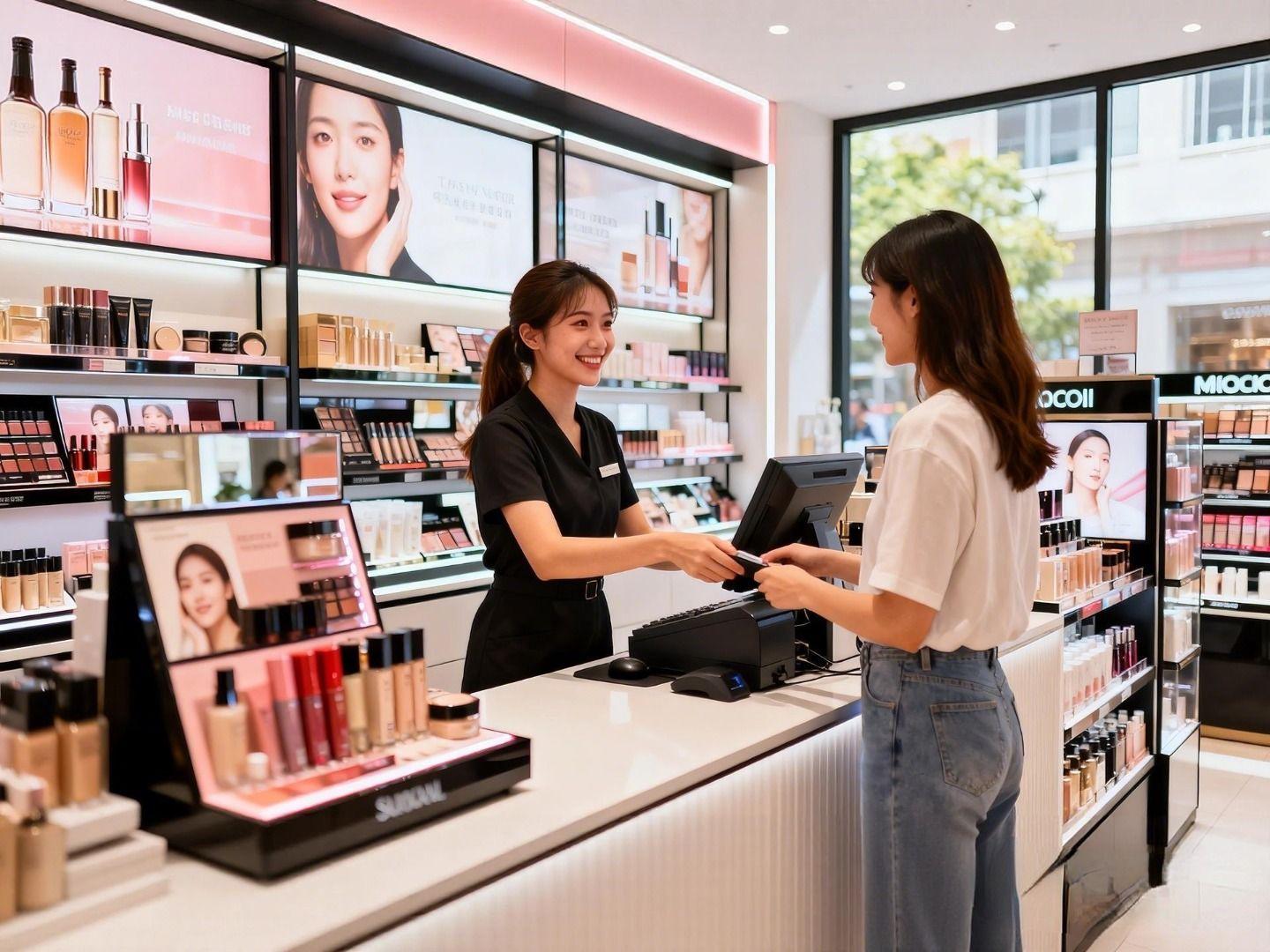
Beauty and personal care spending is easy to underestimate because it rarely arrives as one large expense. A skincare product might be replaced one week, shampoo the next, while a haircut, cosmetics or another personal care purchase appears later in the month. Individually, these expenses may look small, but together they can take a noticeable share of a monthly budget.
A prepaid card can provide a simple way to separate this category from other everyday spending. Instead of trying to remember how much has already been spent, a user can load a chosen amount onto the card and use that balance for selected beauty and personal care purchases. The approach does not reduce the cost of the products themselves, but it can make the spending limit easier to see.
Beauty Spending Is Often Spread Across the Month
Some budget categories are relatively predictable. Rent normally arrives once a month, while a utility bill has a clear due date and recognizable amount. Personal care tends to be less structured because different products run out at different times and services follow their own schedules.
A typical month could include skincare, hair products, toiletries, cosmetics and a salon visit. Another month might involve fewer everyday purchases but a more expensive replacement product or appointment.
This irregular pattern makes the category easy to overlook when all purchases come from the same general account used for groceries, transport and entertainment. A separate prepaid balance creates a clearer boundary around the amount intended for this type of spending.
A Fixed Balance Creates a Visible Limit
One of the simplest ways to use a prepaid card for a personal care budget is to decide on an amount at the beginning of a budgeting period. For example, someone who plans to spend up to $150 during the month could allocate that amount to the card. Purchases made from the balance then reduce the amount that remains.
| Purchase | Cost | Remaining Budget |
|---|---|---|
| Starting balance | — | $150 |
| Skincare product | $28 | $122 |
| Shampoo and conditioner | $24 | $98 |
| Haircut | $45 | $53 |
| Cosmetics | $31 | $22 |
The advantage is visibility. Instead of calculating beauty spending from a larger account history, the remaining card balance can act as a simple reference for what is still available within the chosen limit.
It is still important to remember that a prepaid balance is only a budgeting tool. Users remain responsible for deciding which expenses belong in the category and whether the initial amount is realistic.
Regular Purchases and Occasional Purchases Are Different
Not every beauty expense should be treated in the same way. Some products are replaced frequently, while others may last for several months. Shampoo, basic skincare and toiletries may form the predictable part of a personal care budget. Perfume, premium cosmetics, styling tools or larger beauty purchases can be much less frequent.
Separating these two types of spending can prevent occasional purchases from consuming the money intended for routine essentials. One approach is to reserve most of the prepaid balance for predictable replacements while leaving a smaller portion for discretionary items. This creates more structure without requiring every individual product to have its own miniature budget.
Replacement Cycles Can Make Planning Easier
Many personal care products have natural replacement cycles. A bottle of cleanser may last several weeks, while another product might need replacing only a few times per year.
Paying attention to those cycles can make a prepaid budget more useful. If several products are likely to run out during the same month, the amount allocated for that period may need to be higher. During a month with few replacements, less money may be required.
This is different from simply setting the same spending target indefinitely. A useful budget should reflect actual purchasing patterns rather than forcing every month to look identical. Keeping basic notes about when frequently used products are replaced can reveal those patterns over time.
Sales Can Encourage Unplanned Spending
Beauty retail relies heavily on promotions, bundles and limited-time discounts. A lower price can be useful when it applies to a product someone already intended to buy, but it can also turn an unnecessary purchase into something that feels justified. A fixed prepaid balance introduces an additional question: is there enough room in the existing budget for the purchase?
That does not mean every spontaneous purchase needs to be avoided. The value comes from making the trade-off visible. Spending $40 on an unplanned product means $40 less remains for other purchases assigned to the same balance. The discount therefore becomes only one part of the decision rather than the entire reason for buying.
Online and In-Store Purchases Can Be Kept Together
Personal care shopping often happens across several channels. Someone may buy toiletries at a supermarket, order skincare online and purchase cosmetics from a specialist retailer.
When these transactions appear among dozens of unrelated purchases, understanding total spending can require searching through a full bank statement. Using the same prepaid card for the category can bring those purchases under one balance even when they happen at different merchants.
This can be particularly useful when comparing online and in-store habits. A person may discover that the individual purchases seemed small because they were spread across several retailers, while the combined total was larger than expected. The card does not categorize the products automatically, so the system works best when it is used consistently for the spending category it was intended to cover.
Services Need to Be Included Too
A beauty budget can become misleading if it includes only physical products. Haircuts, nail appointments, barber visits and other personal care services may account for a significant portion of the total. If those expenses continue to come from another payment method, the prepaid balance no longer represents the complete category.
Including services where the prepaid card is accepted can provide a more realistic view of the budget. A $40 haircut and four $10 product purchases both represent $40 of spending even though the purchasing patterns look completely different. Thinking in terms of the whole category rather than individual types of transactions makes the spending limit more meaningful.
A Separate Balance Can Reduce Mental Accounting
People often perform informal calculations when deciding whether to buy something. They remember a few recent purchases, estimate what remains in the monthly budget and make a decision from there. The problem is that small transactions are easy to forget.
A dedicated prepaid balance reduces some of this mental accounting because the remaining amount provides a visible reference. If $35 remains, the user does not have to remember every earlier shampoo, skincare or cosmetics purchase to estimate what is left.
This does not replace a complete household budget, but it can simplify one category within it. For people who prefer straightforward spending limits rather than detailed budgeting spreadsheets, that simplicity may be the main benefit.
Unused Money Does Not Have to Become a Spending Target
A common budgeting mistake is treating money left at the end of a period as something that must be spent. If $30 remains in a personal care allocation, there is no requirement to find another product simply because the money was originally set aside for that category. Depending on the card and its terms, the remaining funds can stay available for a later purchase.
That can be particularly useful for products with irregular replacement cycles. Several quieter months can leave more room when a more expensive item eventually needs replacing. The objective is to control spending, not to make the balance reach zero on a particular date.
Prepaid Cards Still Have Practical Limitations
A prepaid card is not identical to a traditional bank account or credit card, and users should understand the conditions attached to the specific card they use. Acceptance can vary, and certain merchants or transaction types may handle prepaid cards differently. Users should also check the card’s terms, available balance and any applicable restrictions before relying on it for a particular payment.
Returns deserve attention as well. If a beauty product is returned, the refund process can depend on the merchant and payment network. Keeping the original card available until any refund is completed can help avoid unnecessary complications. These practical details matter because a budgeting method is only useful when the payment method fits the purchases being made.
The Goal Is Separation, Not More Spending
Using a prepaid card for beauty and personal care is most useful when it creates a boundary around spending that would otherwise be mixed into a larger pool of everyday transactions.
The method is straightforward: decide what belongs in the category, choose an appropriate amount and use the balance as a visible limit. Regular products, occasional purchases and services can then be considered within the same overall budget.
For someone who already tracks every expense carefully, a separate prepaid balance may not add much. For someone who regularly wonders where a collection of smaller personal care purchases went during the month, it can make the category considerably easier to see. The important part is not the card itself. It is having a clear amount available for a specific purpose and being able to see how each purchase reduces it.