
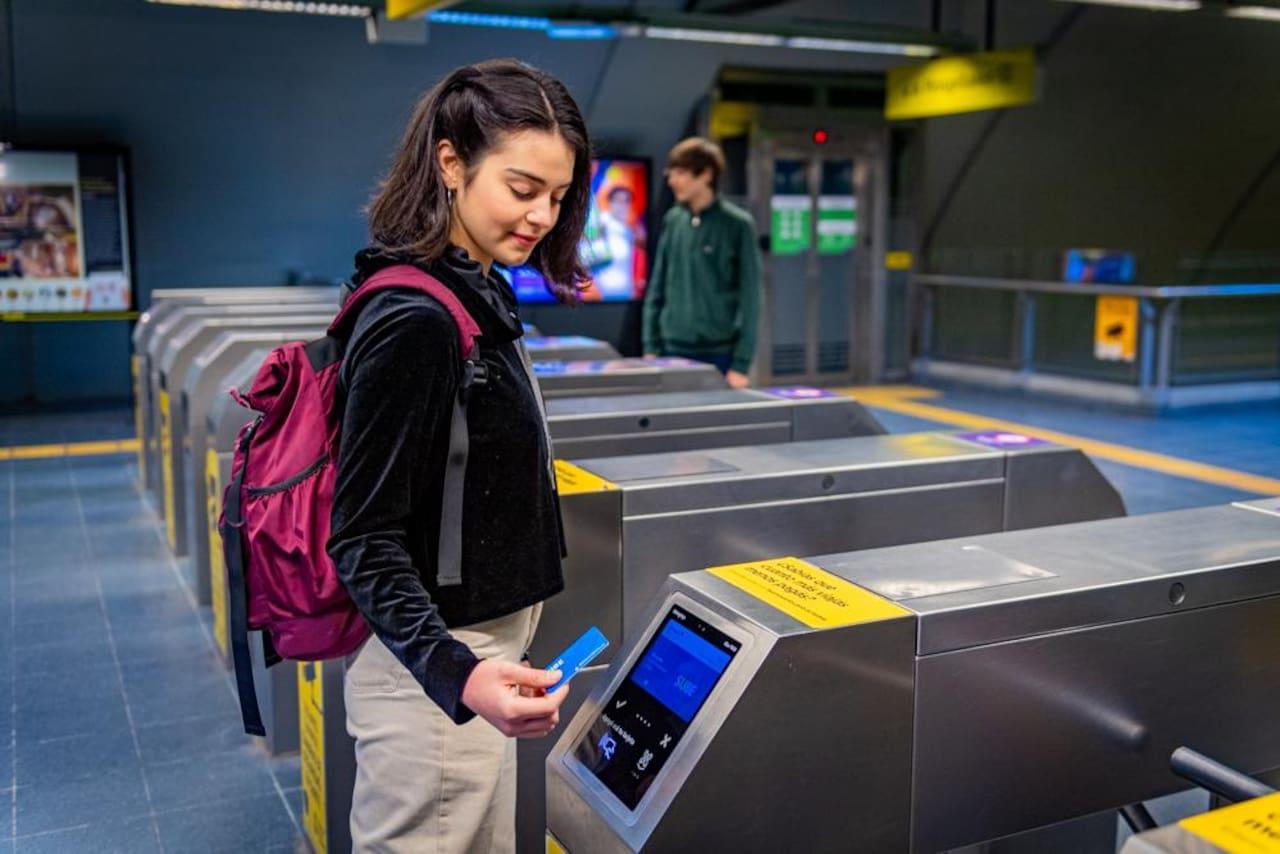
Getting to work, university or another regular destination can quietly become one of the more consistent parts of a monthly budget. A commuter may pay for public transport several times a week, drive and buy fuel, use paid parking or occasionally rely on a taxi or ride-hailing service when the usual route is unavailable. Each individual payment may seem relatively small, but together they can represent a significant recurring expense.
A prepaid card can provide a simple way to separate these costs from general spending. Instead of allowing commuting payments to disappear among groceries, entertainment and other transactions, a user can allocate a defined amount for transport and use that balance for eligible travel-related purchases where the card is accepted. The main benefit is not changing the price of commuting, but making the cost easier to see and manage.
Commuting Is a Recurring Expense With Variable Costs
Some household expenses are predictable. Rent or a monthly internet bill may remain almost identical from one month to the next. Commuting can be less consistent, particularly for people who combine several forms of transport.
A worker might normally use a train but occasionally drive. Another person may cycle during good weather and use public transport when conditions change. Parking fees, fuel prices, additional journeys and unexpected transport disruptions can all affect the final monthly cost.
Because of this variation, commuting can be difficult to estimate from memory alone. Looking at a dedicated balance or a group of transport-related transactions provides a clearer picture of what everyday travel is actually costing.
This information can then help with future budgeting. If a commuter regularly allocates $150 but finds that the real monthly figure is closer to $190, the budget can be adjusted based on actual behavior rather than an assumption.
A Separate Balance Creates a Clear Spending Boundary
One reason prepaid cards can be useful for budgeting is that spending can be separated from a primary bank balance. A user can decide how much money should be available for a particular category and treat that amount as the working budget.
For commuting, the process can be straightforward. At the beginning of a budgeting period, the user determines an approximate transport allowance. Eligible commuting purchases can then be made from that prepaid balance where supported.
This creates a visible boundary between transport money and the rest of the budget. Instead of asking how much of a larger account balance has already been spent on getting around, the commuter can look at the remaining prepaid balance.
| Commuting expense | How it affects the budget |
|---|---|
| Bus or train fares | Regular daily or weekly cost |
| Fuel | Variable expense for drivers |
| Parking | Can add significantly to workday costs |
| Taxi or ride-hailing | Occasional alternative transport |
| Toll charges | Recurring cost on some driving routes |
| Bike-related travel costs | Smaller but sometimes recurring expenses |
Not every prepaid card will work with every transport provider or payment system, so users still need to check acceptance and the relevant card terms. The budgeting principle, however, remains the same: keep a defined category of spending easier to identify.
A Commuting Budget Can Reveal Small Repeated Costs
Large transport purchases are usually easy to remember. Small ones are more likely to disappear into general spending. A few parking payments, an occasional extra bus fare or several short rides may not attract much attention individually. Over a full month, those transactions can add up.
Separating commuting expenses makes these patterns easier to notice. A person may discover that parking is costing more than expected or that frequent ride-hailing is substantially increasing the cost of a supposedly inexpensive public-transport routine.
The purpose is not necessarily to eliminate those expenses. Some may be unavoidable or worth paying for convenience. The advantage is simply having enough visibility to make that decision consciously. A budget works better when it reflects actual spending rather than only the expenses people remember at the end of the month.
Hybrid Work Makes Transport Budgets Less Predictable
Traditional commuting was often based on a five-day working week, making monthly transport costs relatively easy to estimate. Hybrid work has made the pattern more variable for many workers.
Someone who goes to an office two days one week and four days the next may not benefit from thinking about transport as a fixed daily cost. The number of journeys changes, and so can the most economical way to travel.
A dedicated commuting balance can work well with this variability because the budget does not have to assume that every week is identical. Money remains available for transport when needed, while unused funds can make it clear that actual travel was lower than expected.
Over several months, this can also provide a more realistic average commuting cost. That figure may be more useful for personal budgeting than multiplying a single day’s fare by an assumed number of working days.
Different Transport Methods Can Stay Under One Budget
Commuting does not always mean choosing between driving and public transport permanently. Many people use both depending on the day. A train may be practical for the normal journey, while a car is needed when working late. Someone might walk to work but use a bus in poor weather. Another commuter may drive to a station, pay for parking and then continue by train.
Creating a separate budget around the purpose of the spending rather than the payment method can make this easier to manage. Fuel, parking and transport fares may all belong to the same broader category because they serve the same goal: getting to and from regular destinations.
This is different from analyzing each merchant separately. From the user’s perspective, the important question may simply be how much everyday transportation costs in total.
Remaining Balance Can Act as a Mid-Month Check
Budgets are most useful before the money has been spent. Discovering at the end of the month that commuting cost much more than expected provides information, but there is no longer an opportunity to adjust that month’s spending.
A separate prepaid balance can provide a simple mid-month signal. If most of the allocated transport money has already been used halfway through the budgeting period, the commuter knows that the original estimate may have been too low or that unusual expenses have occurred.
The response does not have to be cutting necessary journeys. It might mean planning for additional transport costs, choosing a different parking option or simply recognizing that this month is unusual.
Conversely, a larger-than-expected remaining balance may indicate that the commuter is travelling less frequently than anticipated. Either result gives the budget more context.
Emergency Transport Should Not Depend on a Tight Limit
Separating expenses can be useful, but a commuting budget should not become an inflexible rule. Transport sometimes involves situations where reaching a destination safely matters more than staying inside a predefined amount.
A cancelled train, late finish or unexpected route disruption may require a more expensive alternative. A prepaid balance that is too tightly restricted could be inconvenient in precisely those situations.
For this reason, budgeting tools work best when they support decisions rather than prevent necessary ones. Some users may choose to allocate a small buffer above their normal commuting estimate, while others may maintain another payment method for unexpected costs. The goal is visibility and organization, not creating an obstacle to essential travel.
Commuting Costs Can Be Reviewed Over Time
Once transport spending is separated consistently, longer-term patterns become easier to compare. A user can look at whether winter commuting costs more than summer travel, whether returning to the office more frequently changes the budget or whether switching routes has produced a meaningful difference.
These comparisons can be useful because the cheapest-looking option on a single day is not always the least expensive over several months. Parking, fuel and occasional alternative transport may change the calculation.
The same information can also help when circumstances change. Moving home, changing jobs or starting a new course can all alter the cost of regular travel. Having a realistic picture of the previous commuting budget provides a useful reference point. This turns everyday transactions into information that can support future planning rather than leaving them as isolated purchases.
A Simple Category Can Make Everyday Travel Easier to Track
Prepaid cards do not make buses, trains, fuel or parking cheaper by themselves. Their budgeting value comes from separation. By assigning a defined balance to commuting, users can make one recurring category of spending more visible without having to reorganize their entire financial system.
That approach can be particularly useful when transport costs vary from week to week. Regular fares, fuel, parking and occasional alternative journeys can all contribute to the same overall budget even though they are paid to different providers.
The result is a clearer answer to a basic question: how much does it actually cost to get where you regularly need to go? For people who find that commuting expenses become lost among dozens of other monthly transactions, separating them with a prepaid card can provide a straightforward way to keep that answer visible.