
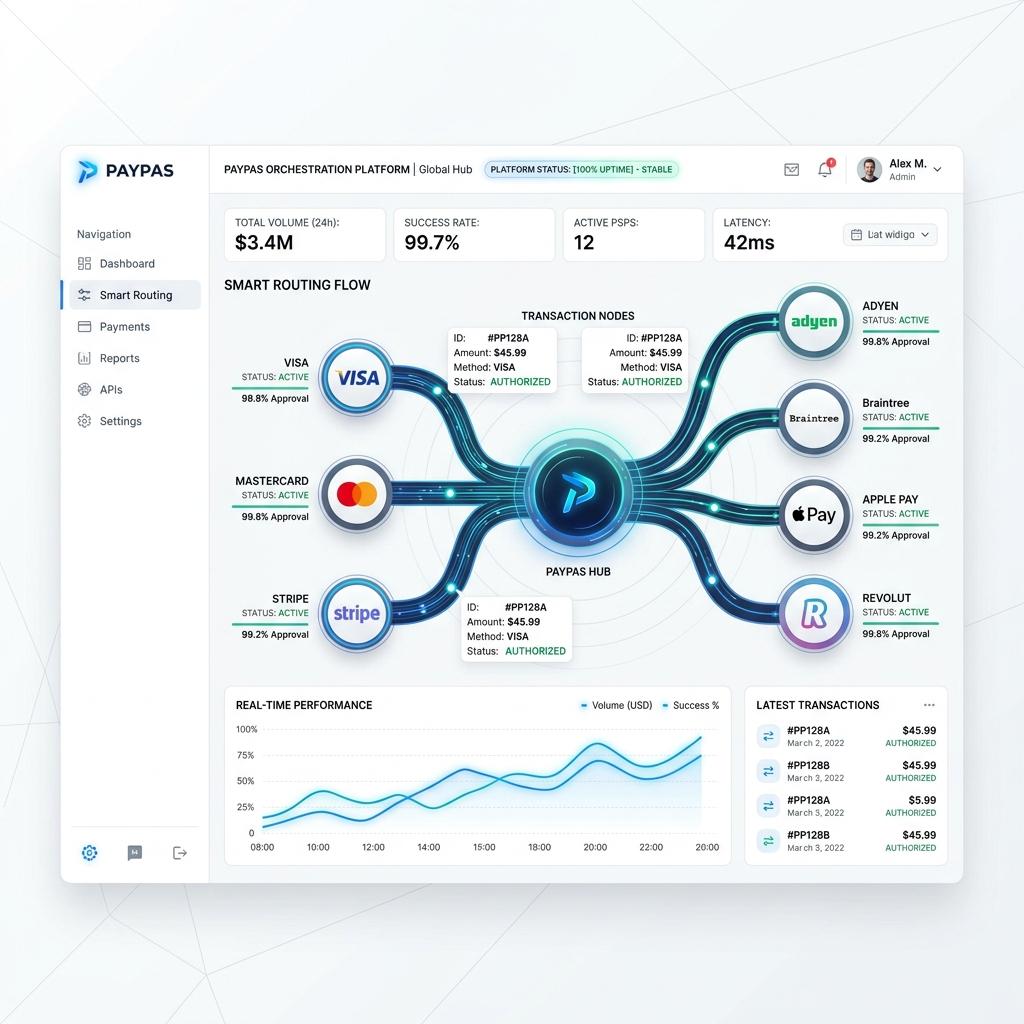
Every failed payment represents more than a declined transaction—it can mean a lost customer, reduced revenue, and a poor user experience. As digital commerce continues to grow, businesses are looking for smarter ways to ensure payments succeed on the first attempt. One of the most effective technologies emerging in this space is smart payment routing.
Rather than sending every transaction through the same payment processor, smart payment routing automatically selects the most suitable route based on real-time conditions. This improves payment approval rates, minimizes disruptions, and creates a smoother checkout experience for consumers.
What Is Smart Payment Routing?
Smart payment routing is a payment optimization system that dynamically determines the best path for processing each transaction. Instead of relying on a single acquiring bank or payment gateway, the system evaluates multiple factors before selecting where a payment should be sent.
These factors may include:
- Payment method
- Card issuer
- Customer location
- Merchant location
- Currency
- Historical approval rates
- Network performance
- Processor availability
The result is a higher probability that the transaction will be approved quickly and securely.
Why Payment Failures Occur
Not every declined payment is caused by insufficient funds or customer error. Transactions can fail for several reasons, including:
- Temporary network interruptions
- Gateway outages
- Issuer response delays
- Regional processing limitations
- High fraud-risk scores
- Processor congestion
Traditional payment systems often stop after the first failed attempt. Smart routing, however, can automatically choose an alternative processing path when appropriate.
Improving Authorization Rates
One of the biggest advantages of intelligent routing is its ability to increase authorization success. For example, if one acquiring bank is experiencing slower response times, the platform can redirect new transactions to another provider with stronger performance.
Benefits include:
- Fewer declined payments
- Higher checkout completion rates
- Improved customer satisfaction
- Better revenue protection
- More reliable payment processing
Even small improvements in authorization rates can significantly impact online businesses operating at scale.
Supporting Global Commerce
International businesses often process payments across multiple countries, currencies, and banking systems. Smart routing helps optimize these transactions by selecting processors that are better suited for specific regions.
| Routing Factor | Customer Benefit |
|---|---|
| Local acquiring bank | Higher approval rates |
| Regional payment gateway | Faster processing |
| Currency optimization | Lower conversion costs |
| Backup processor | Greater reliability |
| Network performance | Reduced payment delays |
This flexibility is particularly valuable for global e-commerce platforms.
Enhancing Customer Experience
Consumers rarely think about payment infrastructure—they simply expect transactions to work. Smart routing reduces friction by minimizing unnecessary payment failures and shortening processing times.
Customers benefit from:
- Faster checkout
- Fewer payment retries
- Reduced transaction errors
- Greater payment reliability
- Increased confidence during purchases
A seamless payment experience encourages repeat business and strengthens customer trust.
Intelligent Decision-Making
Modern payment routing systems increasingly rely on data analytics and machine learning. Rather than applying fixed routing rules, intelligent platforms continuously analyze transaction outcomes to improve future decisions.
The system may learn:
- Which processors perform best during peak traffic
- Regional approval trends
- Payment method performance
- Seasonal processing patterns
- Gateway reliability over time
As more data becomes available, routing decisions become increasingly accurate.
Business Advantages
Merchants also benefit from greater operational flexibility. Instead of depending on a single payment provider, businesses can distribute traffic across multiple processors and automatically respond to service interruptions.
This approach helps:
- Reduce downtime
- Improve payment resilience
- Optimize transaction costs
- Increase scalability
- Maintain consistent checkout performance
The result is a stronger payment infrastructure capable of supporting business growth.
The Future of Payment Routing
As digital payments continue to evolve, smart routing is expected to become even more sophisticated. Future systems may incorporate predictive analytics, real-time fraud intelligence, AI-driven processor selection, and automated cost optimization. Rather than reacting to failures after they occur, payment platforms will increasingly anticipate potential issues and select the most effective route before processing begins. These innovations will make digital payments faster, more reliable, and more efficient for both merchants and consumers.
Conclusion
Smart payment routing is transforming digital transactions by intelligently selecting the best processing path for every payment. By increasing authorization rates, reducing failed transactions, and improving checkout reliability, this technology delivers measurable benefits for businesses while creating a smoother experience for customers. As online commerce expands across global markets, smart payment routing is becoming an essential component of modern payment infrastructure.